
Most anglers don't need fluorocarbon every time they fish. Mono, braid-to-leader setups, and fluorocarbon can all catch fish. Fluorocarbon starts to matter when fish become selective, the water gets clear, bait presentation becomes critical, or abrasion resistance is needed. In those situations, the goal isn't to make fish bite—it's to remove reasons for them to refuse.
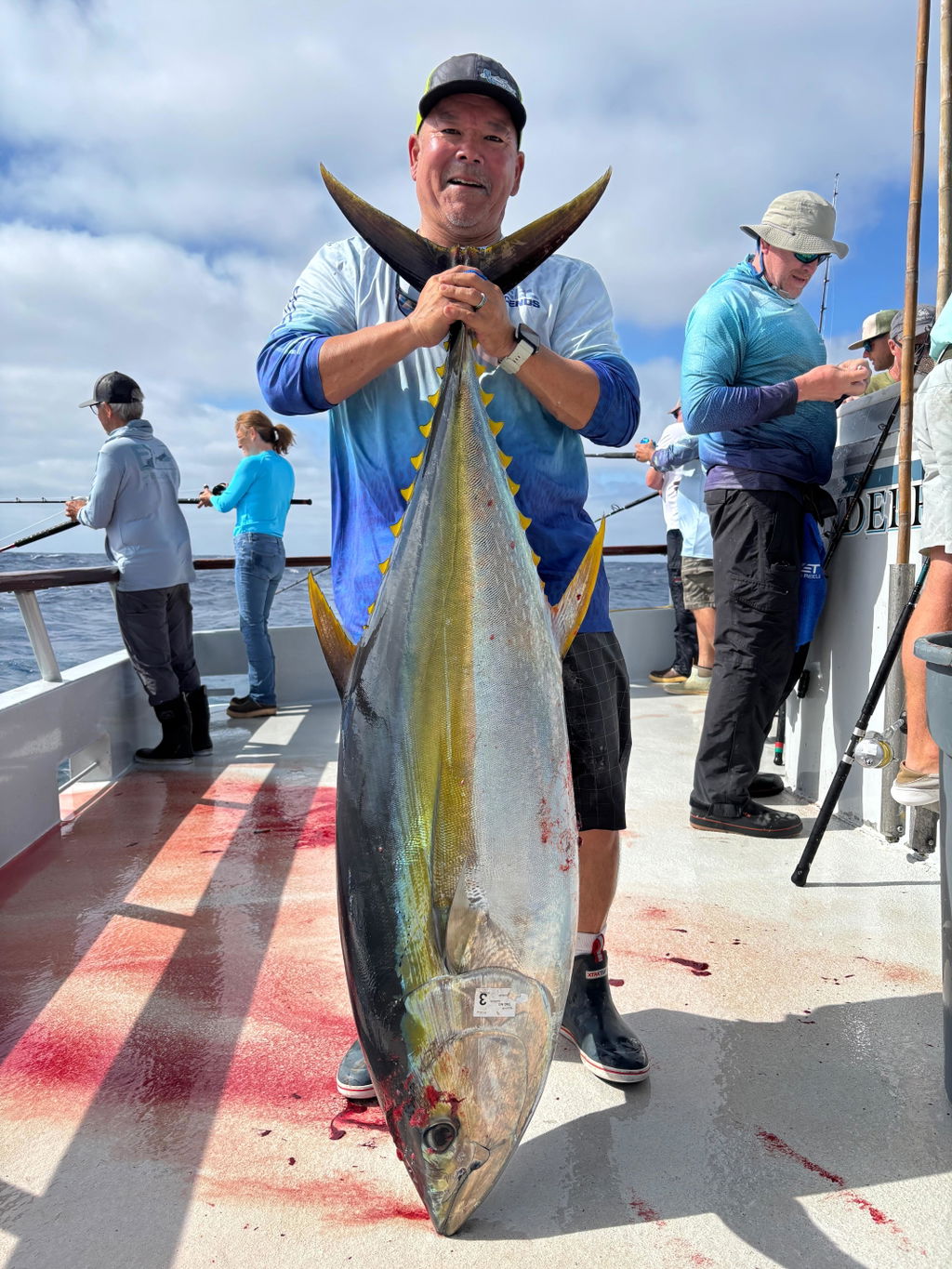
Last summer on a slow bluefin bite off Southern California, the sonar was full of fish.
They'd boil on the chum, track hooked sardines halfway back to the boat, then peel away without eating.
Down the rail, one angler quietly hooked up three times while everyone else scratched their heads.
Same boat. Same bait tank. Same drift.
The difference wasn't luck.
It was a handful of small details coming together—healthy bait, good presentation, and a leader that let the sardine swim naturally.
That's when fluorocarbon starts earning its place.
Not because it's magic.
Because when fish have time to inspect your presentation, every little detail gets louder.
Key Takeaways
- Fluorocarbon won't fix poor fishing decisions or bad bait.
- Mono remains an excellent choice in many situations.
- Fluorocarbon matters most when bites become technical.
- Clear water and fishing pressure make presentation increasingly important.
- Smaller-diameter, supple leaders can help live bait swim more naturally.
- Abrasion resistance matters around kelp, rocks, reefs, and other structure.
- Cleaner presentation often matters more than simply reducing line visibility.
Does Fluorocarbon Always Matter?
No.
There are plenty of situations where your leader material isn't the deciding factor.
If fish are aggressively feeding or competing for food, they'll often eat before they have time to inspect every detail.
You'll regularly catch fish on mono, braid-to-leader systems, or fluorocarbon during:
- Wide-open offshore bites
- Dirty or stained water
- Low-light conditions
- Schooling fish feeding aggressively
- Fast reaction bites
When the fish are chewing, leader material usually isn't the first thing deciding who gets bit.
When Should You Use Fluorocarbon?
The more selective fish become, the more important presentation becomes.
That's when fluorocarbon begins separating itself.
You may not notice much difference during an easy bite.
You'll notice it much more when fish are following without committing, inspecting your bait, or refusing presentations that looked good an hour earlier.
If you'd like a broader breakdown of when fluorocarbon is worth fishing, read our guide on when fluorocarbon actually matters.
— Greg Brown, Founder of Opsin Fluorocarbon
"Most anglers don't need premium fluorocarbon every cast. But when fish stop making easy decisions, your leader becomes part of the presentation. That's when the details start earning bites."
Why Does Fluorocarbon Matter in Clear Water?

Clear water gives fish more time to inspect everything.
They aren't just looking at your leader.
They're evaluating how naturally your bait swims, how it sinks, and whether anything looks slightly out of place.
That's why clear water exposes sloppy presentations more quickly than stained water.
It isn't about fish becoming "line shy."
It's about giving them fewer reasons to reject what they're seeing.
Clear water exposes small mistakes more than almost any other condition. Learn more in Why Fluorocarbon Gets More Bites in Clear Water.
Why Does Fluorocarbon Help With Pressured Fish?
Fish that see hundreds of baits every week become harder to fool.
You'll notice it around:
- Crowded sport boats
- Heavily fished kelp lines
- Popular local banks
- Tournament fisheries
- Offshore schools that have seen repeated drifts
As fishing pressure increases, presentation usually matters more.
The fish haven't necessarily gotten smarter.
They've simply had more opportunities to reject presentations that don't look right.
Why Does Leader Diameter Matter for Small Baits?

A small sardine or anchovy doesn't have much power.
A heavy or stiff leader can limit how naturally it swims.
Whether you're flylining sardines for bluefin, pitching anchovies to yellowtail, or fishing finesse presentations for calico bass, leader characteristics directly affect bait movement.
We cover this in more detail in our article on how leader diameter changes presentation.
A heavy leader may:
- Restrict natural movement
- Change sink rate
- Make the bait appear tethered
- Reduce separation from the boat
The smaller the bait, the more important a supple leader becomes.
— Alan Bierig, Co-owner & Long-Range Angler
"Some of the toughest bluefin bites I've seen weren't won by finding different fish—they were won by making the same bait swim a little cleaner. When fish follow but won't commit, presentation becomes everything."
What Should You Check When Fish Follow But Don't Bite?
A fish that follows your bait is telling you something.
It saw enough to investigate.
Something made it turn away.
Before changing spots, ask yourself:
- Is the bait still lively?
- Is the hook too large?
- Is the leader oversized?
- Is the bait swimming naturally?
- Is the presentation matching what the fish are seeing?
Technical bites are usually won by removing small reasons for refusal—not by making dramatic changes.
This is the same idea we explore in The Difference Between Getting Followed and Getting Bit, where we break down why interested fish still refuse to eat.
Does Fluorocarbon Help Around Structure?
Sometimes fluorocarbon isn't about getting more bites.
It's about landing the fish that finally commits.
Abrasion resistance becomes increasingly important around:
- Kelp
- Rock piles
- Mussel beds
- Dock pilings
- Reef edges
- Offshore high spots
A leader that survives rubbing against structure can make all the difference once the fight begins.
Is Fluorocarbon Better Than Mono?
Not always.
Both have their place.
| Situation | Mono | Fluorocarbon |
|---|---|---|
| Wide-open bite | Excellent | Excellent |
| Dirty water | Excellent | Good |
| Aggressive fish | Excellent | Good |
| Clear water | Good | Excellent |
| Pressured fish | Good | Excellent |
| Flylined bait | Good | Excellent |
| Abrasion zones | Good | Excellent |
| Technical bites | Good | Excellent |
The better question isn't which leader is better.
It's which leader fits today's conditions.

Why Do Some Fluorocarbons Fish Better Than Others?
Not all fluorocarbon behaves the same.
Two leaders with the same pound-test rating can feel completely different on the water.
Experienced anglers often notice differences in:
- Diameter consistency
- Suppleness
- Knot strength
- Handling
- Memory
- Overall bait presentation
That's why many serious anglers pay attention to more than the number printed on the spool.
If you've ever wondered why some setups consistently outfish others, Your Line Is Costing You Bites explains how small tackle choices can affect your presentation.
Quick Checklist
Before changing spots, check these first:
☑ Is the water exceptionally clear?
☑ Are fish following but refusing?
☑ Are other anglers getting bit on lighter setups?
☑ Is your bait swimming naturally?
☑ Is your leader oversized for the bait?
☑ Are you fishing around heavy structure?
If several of those answers are yes, fluorocarbon deserves a closer look.
Where Does Opsin Fit?
Opsin wasn't built around the idea that fluorocarbon should replace every other leader.
It was built for the situations where leader details actually matter.
When fish become selective, a consistent, supple fluorocarbon with strong knot performance and cloud-free clarity can help maintain cleaner bait presentation without overpowering smaller live baits.
Manufactured through a slow-extrusion process in Japan, Opsin focuses on consistency, handling, and durability—not marketing claims.
The goal isn't to force bites. It's to remove small reasons for fish to say no.
If you'd like to explore the full lineup, browse the Opsin Fluorocarbon Collection to find the right leader size for your fishing.
FAQ
Is fluorocarbon always better than mono?
No. Mono remains an outstanding leader choice for many fishing situations. Fluorocarbon becomes more valuable when presentation becomes critical.
Does fluorocarbon automatically get more bites?
No. Fluorocarbon doesn't make fish bite. It can help maintain a cleaner presentation that becomes important during technical bites.
When should I switch from mono to fluorocarbon?
Consider switching when fish are following but refusing, the water is exceptionally clear, or you're fishing small live baits.
Why does leader diameter matter?
Leader diameter affects both presentation and bait movement. A leader that's appropriately matched to the bait often allows it to swim more naturally.
Is fluorocarbon worth it for live bait fishing?
Often, yes. Live bait depends on natural movement, and a supple leader can help preserve that movement when conditions get technical.
Does fluorocarbon help around kelp and rocks?
Yes. One of fluorocarbon's biggest practical advantages is abrasion resistance around structure where mono may wear more quickly.
Can fluorocarbon fix bad fishing?
No. It won't fix poor bait, poor presentation, weak knots, or fish that simply aren't feeding. It works best when the fundamentals are already right.

Final Takeaway
Most anglers don't need fluorocarbon every time they fish.
Mono still catches plenty of fish.
But sooner or later, every angler finds themselves staring at fish that are there—but just won't commit.
Those are the days when presentation becomes the difference between getting followed and getting bit.
Fluorocarbon isn't magic.
It's simply another tool that helps remove a few more reasons for fish to say no.
When the bite gets technical, those details can make all the difference.
Still deciding between mono and fluorocarbon? Our guide to Fluorocarbon vs. Mono: When the Difference Actually Matters breaks down which leader makes the most sense for different fishing conditions.