
Opsin Fluorocarbon Leader – 25 lb (0.40 mm)
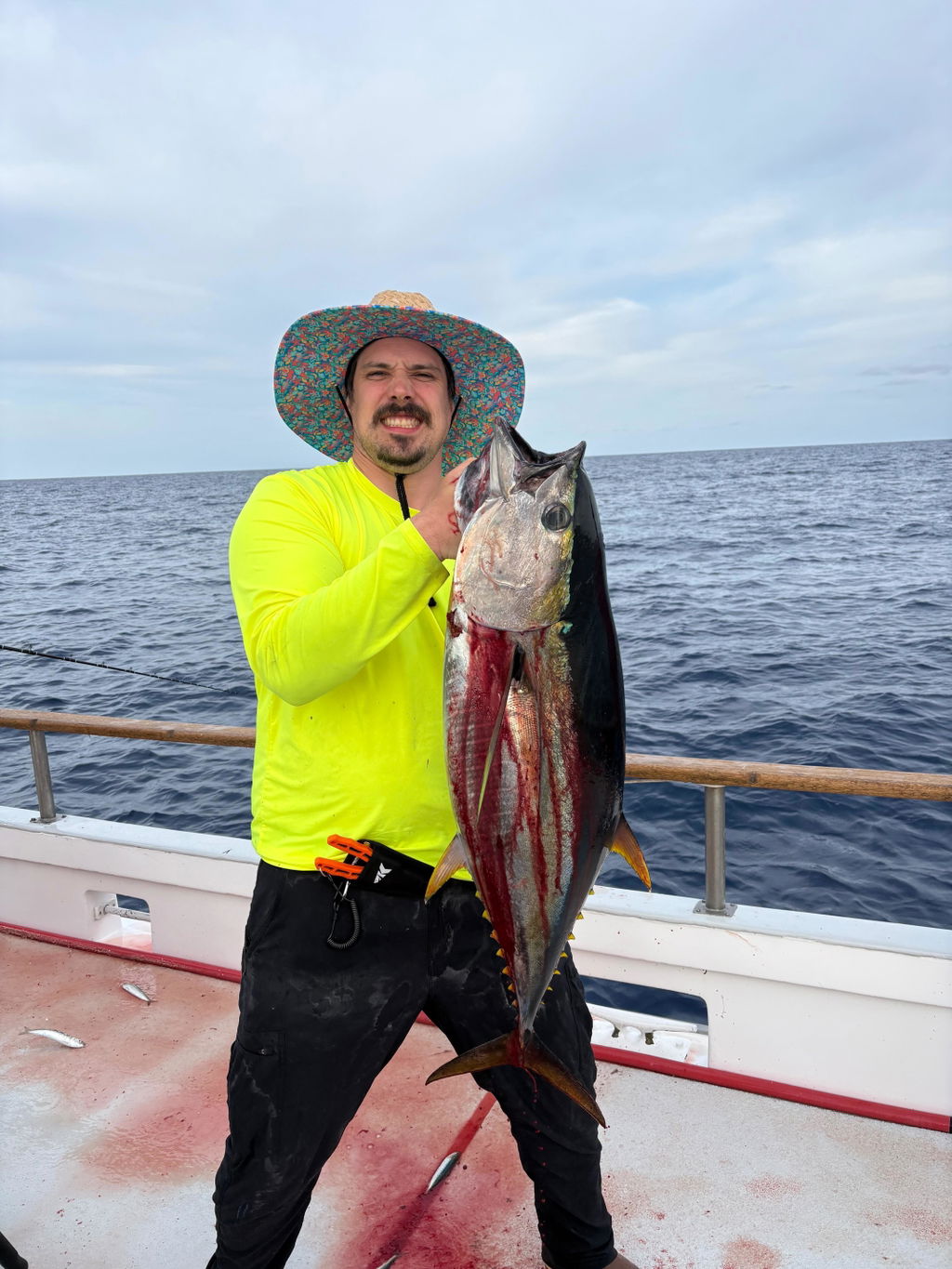
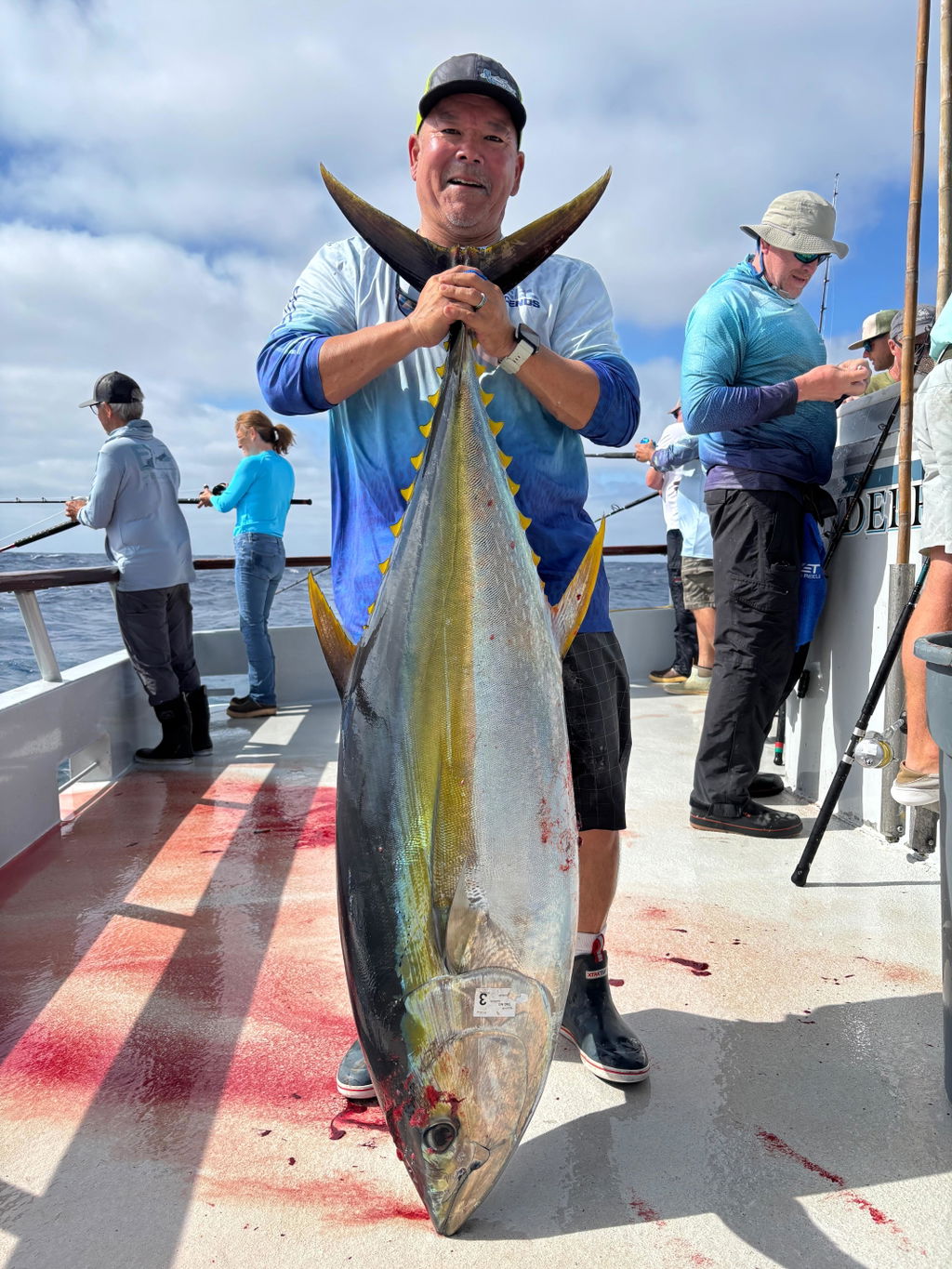
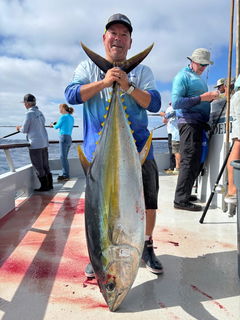
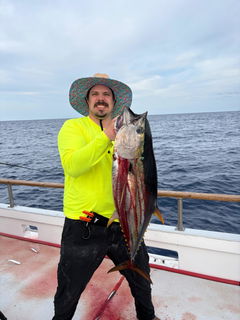
25 lb is the fly-line leader for clear water, when fish are looking hard at sardines and anchovies before they eat. At 0.40 mm, it's the lowest published diameter among the 25 lb fluorocarbons compared here. Less for a fish to notice. Enough pull when a yellowtail or school bluefin takes off on the first run.
- 0.40 mm diameter — Thinner leader lets a sardine swim like a sardine. That's the difference between getting looked at and getting bit.
- Slow-extruded in Japan — Controlled production means uniform diameter, so the knot you tie at the top of the spool behaves like the one at the bottom.
- Supple handling — Lays flat off the spool and ties clean, so it doesn't fight you when you re-tie fast on a wide-open bite.
- Abrasion resistance — Holds up against kelp and paddy stringers, plus rail contact when a fish comes up along the boat.
- Magnetic-locking spool — A built-in line holder keeps the tag end controlled, and the spools stack clean in the bag.


"Solid fluorocarbon. Took the 20, 25 and 30lb out to Catalina island and was perfect."
— Andrew Garcia, 25 lb customer
What pound test for yellowtail and school bluefin on fly-lined bait?
25 lb is the starting point when the water is clear and the fish are picky. Move to 30 lb when the grade improves or there's kelp around.
What knots should I run with Opsin fluoro?
Braid to leader: an FG or RP knot, tied slow and seated with even pressure. Terminal: a San Diego jam or uni to the hook. Wet the line before you cinch — fluorocarbon holds best when the knot seats clean without friction burn. Full breakdown: Best Knots for Fluorocarbon.
How does fluorocarbon handle abrasion and sun?
Better than mono on both counts. Fluorocarbon is denser and harder-skinned, so it takes contact with kelp, rocks, and gill plates without going fuzzy, and it resists UV and doesn't soak up water. Check your last few feet after every fish and re-tie when it feels rough — cheap insurance.
Is this a leader or a mainline?
Leader. These spools run 25–100 yd — built to top-shot your braid, not fill a reel. Tie in a rod's length or two; the thin diameter is what keeps line-shy fish committing. More on why that matters: diameter vs. pound test.
Where is Opsin made?
Opsin is made in Japan and slow-extruded up to 42% slower than traditional fluorocarbon leader lines. That slower process helps create cleaner surface quality, more uniform diameter, and more predictable knot behavior.
Is Opsin worth the price?
You're paying for diameter discipline, clean knots, and supple handling. Close on confidence when the fish loads up, not on savings.
25 lb is the fly-line leader for clear water, when fish are looking hard at sardines and anchovies before they eat. At 0.40 mm, it's the lowest published diameter among the 25 lb fluorocarbons compared here. Less for a fish to notice. Enough pull when a yellowtail or school bluefin takes off on the first run.
- 0.40 mm diameter — Thinner leader lets a sardine swim like a sardine. That's the difference between getting looked at and getting bit.
- Slow-extruded in Japan — Controlled production means uniform diameter, so the knot you tie at the top of the spool behaves like the one at the bottom.
- Supple handling — Lays flat off the spool and ties clean, so it doesn't fight you when you re-tie fast on a wide-open bite.
- Abrasion resistance — Holds up against kelp and paddy stringers, plus rail contact when a fish comes up along the boat.
- Magnetic-locking spool — A built-in line holder keeps the tag end controlled, and the spools stack clean in the bag.
"Solid fluorocarbon. Took the 20, 25 and 30lb out to Catalina island and was perfect."
— Andrew Garcia, 25 lb customer
What pound test for yellowtail and school bluefin on fly-lined bait?
25 lb is the starting point when the water is clear and the fish are picky. Move to 30 lb when the grade improves or there's kelp around.
What knots should I run with Opsin fluoro?
Braid to leader: an FG or RP knot, tied slow and seated with even pressure. Terminal: a San Diego jam or uni to the hook. Wet the line before you cinch — fluorocarbon holds best when the knot seats clean without friction burn. Full breakdown: Best Knots for Fluorocarbon.
How does fluorocarbon handle abrasion and sun?
Better than mono on both counts. Fluorocarbon is denser and harder-skinned, so it takes contact with kelp, rocks, and gill plates without going fuzzy, and it resists UV and doesn't soak up water. Check your last few feet after every fish and re-tie when it feels rough — cheap insurance.
Is this a leader or a mainline?
Leader. These spools run 25–100 yd — built to top-shot your braid, not fill a reel. Tie in a rod's length or two; the thin diameter is what keeps line-shy fish committing. More on why that matters: diameter vs. pound test.
Where is Opsin made?
Opsin is made in Japan and slow-extruded up to 42% slower than traditional fluorocarbon leader lines. That slower process helps create cleaner surface quality, more uniform diameter, and more predictable knot behavior.
Is Opsin worth the price?
You're paying for diameter discipline, clean knots, and supple handling. Close on confidence when the fish loads up, not on savings.