Choosing Your Fluorocarbon: Line Weight & Species Guide
Start with the fish, then the water.
Leader choice is not just about landing the fish. It is about getting bit first. In clear water or heavy pressure, thinner diameter matters. Step up only as much as the fish, structure, and drag setting demand.
4-12 lb: light-line finesse
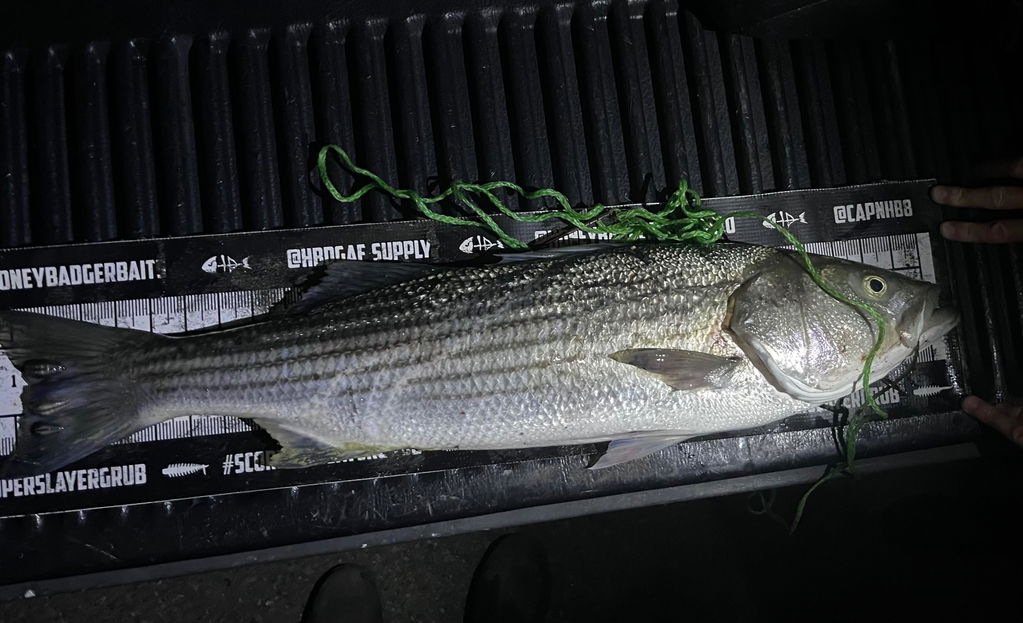
Use for trout, bass, panfish, surf perch, bay bass, and clear-water inshore work. Pick this range when the bite is touchy and a natural bait or lure presentation matters more than brute strength.
15-20 lb: heavier inshore and crossover work
Use for calico bass, halibut, corbina, light structure, and school-size fish that still need a quiet presentation. This is the bridge between finesse and light saltwater pull.
25-40 lb: SoCal offshore live bait
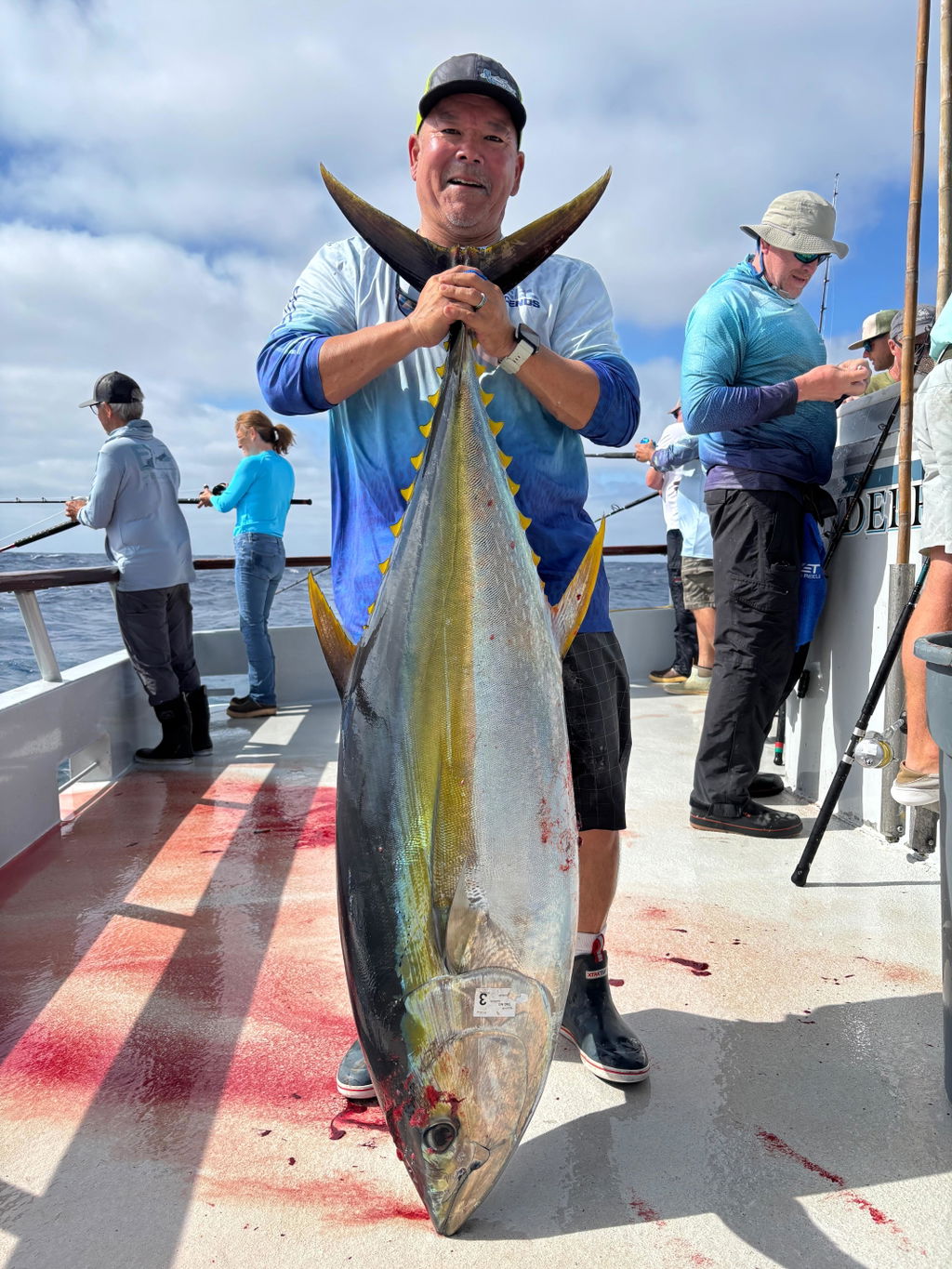
Use for flylined sardines, yellowtail, dorado, and school-size bluefin or yellowfin. When fish are line shy, start here before jumping heavier. Opsin's thin diameter lets you add strength without showing the fish a rope.
50-80 lb: bigger-grade tuna and heavy pressure
Use when the grade goes up, the drag is higher, or the fight is likely to stay loaded. This range is built for big bluefin, yellowfin, wahoo shock leaders, and harder offshore pulls.
100 lb and up: big game leaders
Use for cow tuna, swords, heavy wind-ons, crimped leaders, and big-game rigging. Presentation still matters, but abrasion, load, and connection strength become the priority.
Quick picks
- Clear-water bluefin on sardines: 25-40 lb when they are picky, 50 lb when the grade improves.
- Yellowtail at the kelp: 25-40 lb, heavier if the fish are burying you.
- Dorado: 25-40 lb for most live-bait work.
- Light inshore: 4-20 lb based on water clarity and structure.
If you are between two sizes, fish the lighter one when they will not bite and the heavier one when you are getting chewed off or pulled into structure.