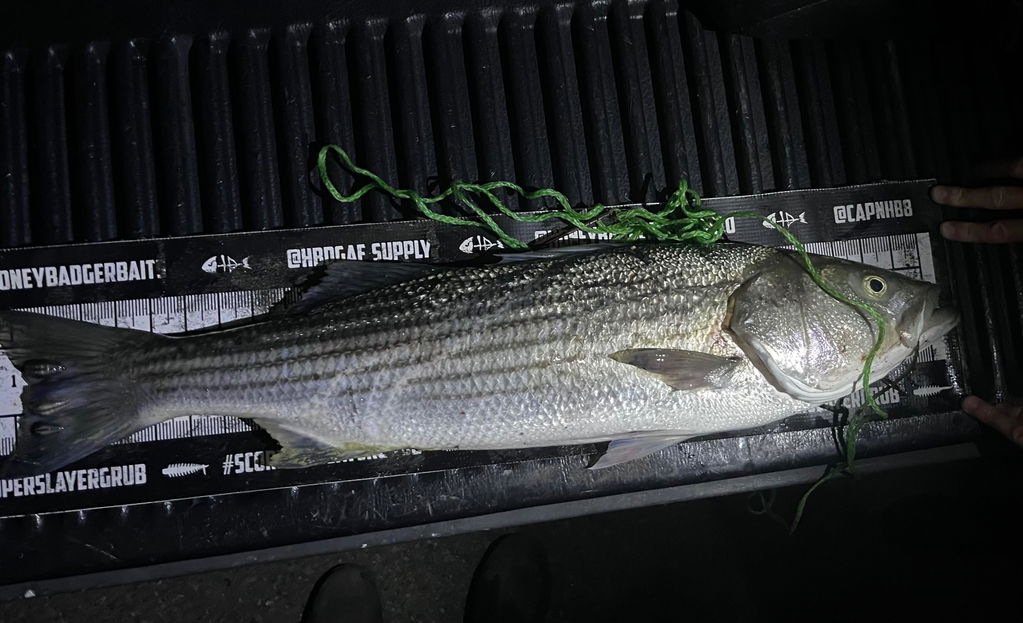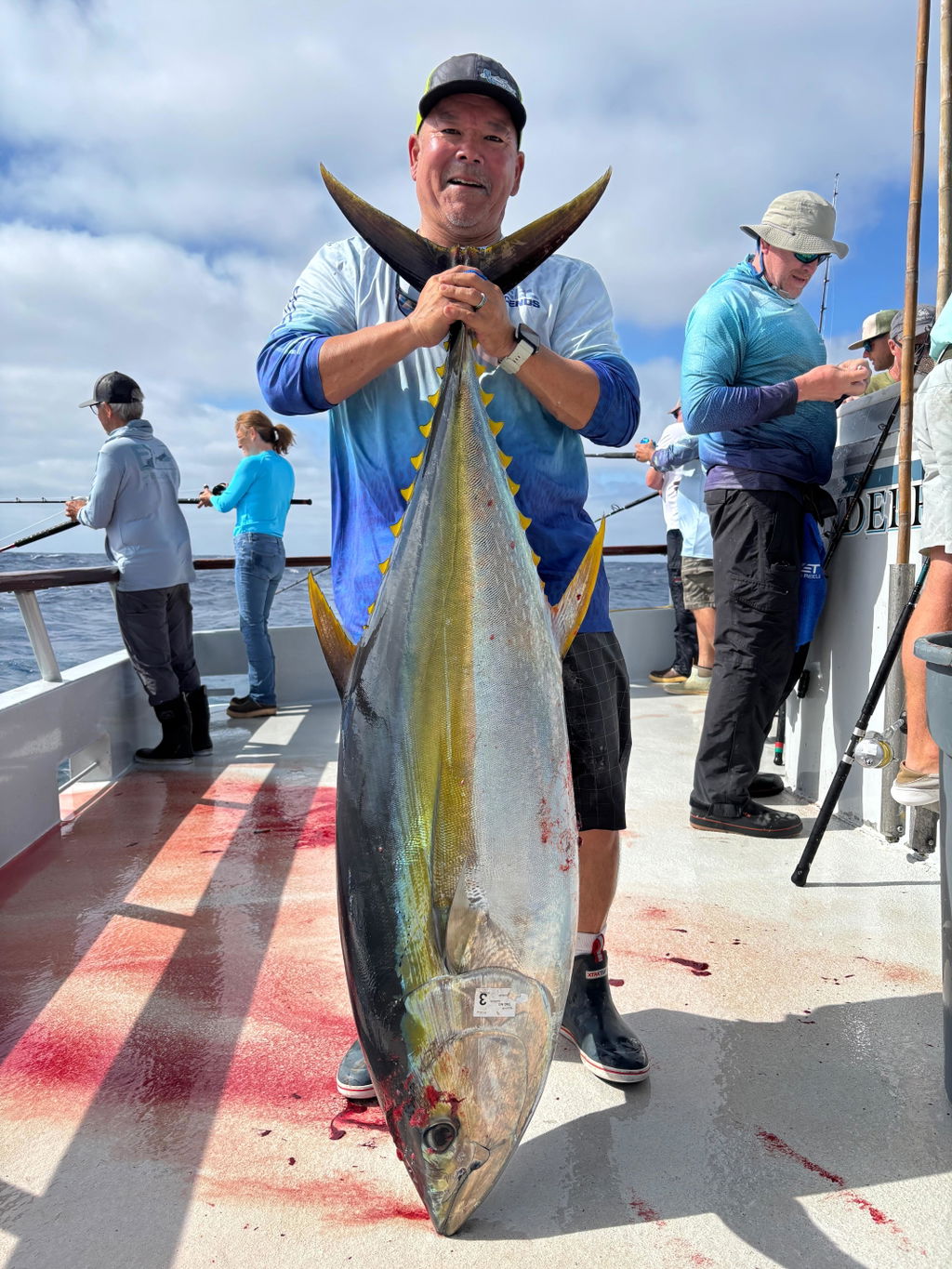
 Boat pressure makes fish more selective because repeated drifts, engine noise, heavy leaders, and poor bait presentations give them more opportunities to inspect what they're chasing. On a wide-open bite, those details may not matter much. But once multiple boats have worked the same school, cleaner presentations often become the difference between getting followed and getting bit.
Last summer, a school of bluefin stayed up for nearly an hour.
The first few boats that slid into position hooked fish almost immediately. By the time another dozen boats surrounded the school, the fish were still showing, but the bite had completely changed.
Sardines were still swimming.
The sonar was still lit up.
The fish still came up behind baits.
But instead of eating, they followed, turned away, and disappeared.
Nothing about the fish had changed overnight.
Everything around them had.
That is what boat pressure does.
It shrinks your margin for error.
Key Takeaways
- Boat pressure makes fish inspect presentations more carefully.
- Repeated drifts and noisy boats condition fish to become more selective.
- Heavy leaders, stiff rigs, and weak bait stand out more as pressure increases.
- Clean bait presentation often matters more than changing locations.
- Fluorocarbon is not always necessary, but it often earns its place when the bite becomes technical.
What Is Boat Pressure?
Boat pressure is the cumulative effect of multiple boats repeatedly fishing the same school or structure.
Fish experience engine noise, sonar pings, prop wash, chum, repeated casts, and dozens of nearly identical bait presentations. None of these factors alone may stop the bite, but together they often make fish less willing to commit.
Why Do Fish Get Harder to Fool Around Crowded Boats?
Fish don't need to understand fishing gear.
They simply react to patterns.
When bluefin, yellowtail, or dorado see the same presentations over and over, they often become slower to commit. A bait that would have been eaten early in the morning may now get inspected all the way back to the boat.
This is especially common during:
- Flylined sardine bites
- Flat-calm mornings
- Clear water
- Popular kelp paddies
- Schools surrounded by multiple sport boats or private boats

The fish haven't necessarily stopped feeding.
They're simply becoming more cautious.
Does Noise Really Affect the Bite?
Sometimes.
Engine noise alone rarely shuts down an aggressive bite.
But when several boats continuously reposition, idle over fish, or repeatedly drift through the same zone, the entire environment changes.
The fish become more alert.
That means every part of your presentation becomes easier for them to reject.
Why Does Bait Presentation Matter More Under Boat Pressure?
When fish are relaxed, they often react quickly.
When they're pressured, they have time to inspect.
A sardine that swims naturally away from the boat continues attracting attention.
One that spins, drags, or struggles against a stiff leader often gets followed instead of eaten.

This is why experienced anglers frequently focus on presentation before changing everything else.
As Greg Brown explains:
"Most anglers don't need premium fluorocarbon every cast. But when fish get picky, the wrong leader gives them a reason to slide off."
— Greg Brown, Founder of Opsin Fluorocarbon
Can Heavy Leaders Hurt You in Crowded Conditions?
Sometimes.
Heavier leaders provide abrasion resistance and confidence around structure or larger fish.
But they also increase diameter and stiffness.
When fish are feeding aggressively, that tradeoff usually doesn't matter.
When a pressured school has watched dozens of baits drift through the zone, a bulky presentation may become one more reason they refuse your bait.
That doesn't automatically mean you should fish the lightest leader available.
It means matching your leader to the conditions instead of automatically sizing up.

What Else Should You Check Before Changing Leaders?
Leader choice is only one part of the presentation.
Before blaming your fluorocarbon, ask yourself:
- Is your sardine still lively?
- Is your hook oversized for the bait?
- Is your knot seated cleanly?
- Is your bait separating from the boat naturally?
- Are you maintaining too much tension?
- Is everyone else fishing lighter or cleaner setups?
Many bites are lost long before the fish ever notices the leader.
What Should You Change as Boat Pressure Builds?
| What You Notice | What It Often Means | What To Check |
|---|---|---|
| Fish follow but don't bite | Fish are inspecting presentations | Leader diameter, bait movement |
| Sardine spins immediately | Rigging issue | Hook placement, leader stiffness |
| Fish boil behind bait | Interested but cautious | Fresh bait, line tension |
| Other anglers hook up while you don't | Small presentation differences | Leader size, bait quality, knot |
Quick Checklist
Before making another cast in a crowded zone, check:
- Is your bait still healthy?
- Is your leader appropriate for the conditions?
- Is your knot clean and compact?
- Is your bait swimming naturally?
- Are you fishing too much drag?
- Have fish already seen dozens of similar presentations?
- Is there a simpler adjustment before changing everything?

Where Opsin Fits
Boat pressure exposes small details.
That's where a well-made fluorocarbon leader can help—not because it guarantees bites, but because it removes unnecessary distractions from an otherwise good presentation.
Opsin Fluorocarbon is slow-extruded in Japan for consistent diameter, a supple finish, cloud-free clarity, dependable knot strength, and abrasion resistance. Those qualities become most valuable when fish have time to inspect your bait instead of reacting instantly.
As Alan Bierig explains:
"The longer a school sees boats working over them, the more important every little detail becomes. When the bite gets technical, you stop looking for magic and start removing reasons for fish to say no."
— Alan Bierig, Co-owner & Long-Range Angler
FAQ
Does boat pressure really make fish stop biting?
Not necessarily. Boat pressure usually makes fish more selective rather than completely shutting down the bite. They often continue following bait but become less willing to commit.
Why do fish follow my bait without eating it?
Following often means the fish are interested but see something they don't like. Poor bait movement, oversized leaders, weak bait, or repeated presentations can all contribute.
Should I always fish lighter leaders around pressured fish?
No. Choose the lightest leader that still matches the fish, structure, and conditions. Going too light can create other problems during the fight.
Does fluorocarbon matter more in crowded fishing conditions?
It often does. When fish have more time to inspect a presentation, leader diameter, suppleness, and knot quality become more noticeable.
What species are most affected by boat pressure?
Bluefin tuna, yellowtail, dorado, calico bass, and other frequently targeted fish can all become more selective after repeated fishing pressure.
Final Takeaway
Boat pressure doesn't automatically end the bite.
It simply makes every mistake easier for fish to notice.
Fluorocarbon won't fix poor bait, bad rigging, or sloppy technique. But when the school has seen dozens of presentations and the bite gets technical, a clean setup removes a few more reasons for fish to say no.
Fishing crowded zones means fish have seen almost everything. When presentation starts deciding who gets bit, choose an Opsin Fluorocarbon leader built for clean bait movement, dependable knot strength, and consistent performance.