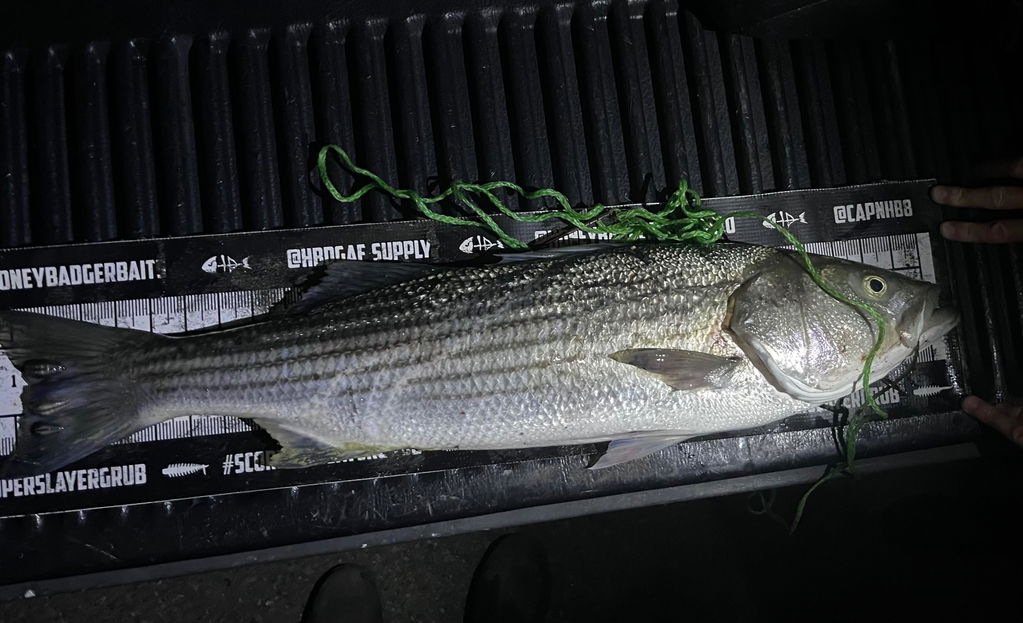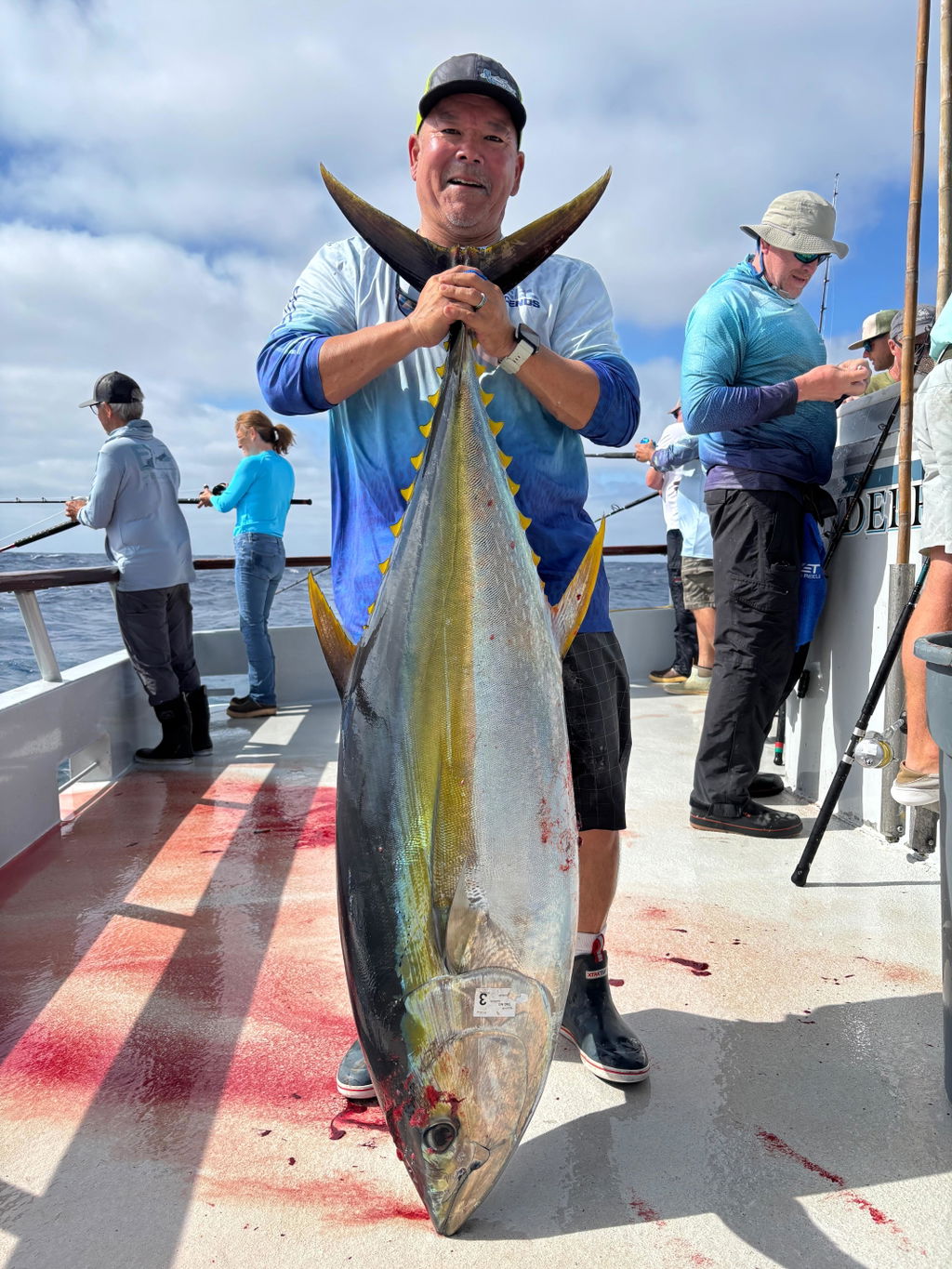

Your leader doesn't matter much when fish are aggressively feeding and eating nearly everything that reaches them. But when fish become pressured, the water clears, or they begin following and refusing baits, leader choice becomes much more important because presentation becomes one of the few things you can still control.
Most Anglers Give Their Leader Too Much Credit
When bluefin are blowing up around the boat and every sardine that hits the water gets eaten, your leader probably isn't deciding who gets bit.
The bite is simply too good.
You'll see anglers fishing different hooks, different knots, different brands of line, and different leader lengths—all catching fish.
That's why some anglers come away believing leader material never matters.
The problem is they remember the easy bites.
They forget what happened two hours later.
The school settles down.
More boats arrive.
The same fish have seen dozens of baits drift past them.
Suddenly the bite changes.
The anglers still getting picked up usually aren't doing one dramatic thing differently.
They're simply presenting a cleaner bait.
Key Takeaways
- Wide-open bites hide small rigging mistakes.
- Leader choice becomes more important as fish become pressured.
- Clean bait presentation matters more than expensive gear.
- Fluorocarbon isn't necessary every cast, but it becomes more valuable during technical bites.
- Leader diameter, suppleness, and knot quality often matter more than simply buying heavier line.
What Is a Wide-Open Bite?
A wide-open bite is exactly what every angler hopes for.
Fish are feeding aggressively, competition among the school is high, and they have very little hesitation about eating.
Bluefin crashing chum.
Yellowtail boiling along kelp lines.
Dorado racing each other to a bait under a paddy.
These are situations where almost any reasonable setup has a chance of getting bit.
That doesn't mean your leader is irrelevant.
It simply means the fish are giving you a much larger margin for error.
Why Doesn't Leader Choice Matter As Much?
Aggressive fish make quick decisions.
They don't spend several seconds inspecting every bait.
Competition forces them to react.
A healthy sardine swimming naturally often gets eaten before subtle differences in leader material ever become important.
That's why anglers using mono, fluorocarbon, slightly different diameters, or different leader lengths may all hook fish during these bites.
When fish are feeding aggressively, location, bait quality, and presentation usually outweigh small tackle differences.
What Changes When the Bite Slows Down?
Everything.
Fish that were charging bait an hour ago begin following without eating.
You start seeing boils behind sardines instead of bent rods.
One angler hooks up while everyone else watches.
This is where many fishermen start changing everything at once.
Different hook.
Different bait.
Different sinker.
Different spot on the boat.
Sometimes the answer is much simpler.
The fish haven't stopped feeding.
They've simply become more selective.

Why Do Fish Start Following But Not Committing?
A fish that follows your bait is already interested.
Something made it hesitate.
Sometimes the bait is weak.
Sometimes the hook placement is poor.
Sometimes the bait never separated cleanly from the boat.
Other times the leader creates enough visual or mechanical cues that the fish simply decides not to finish the bite.
Cleaner presentations leave fish with fewer reasons to refuse.
Does Fluorocarbon Suddenly Become Magic?
No.
This is where many fishing articles lose credibility.
Fluorocarbon won't rescue poor bait.
It won't fix bad casting.
It won't make fish bite when they're completely shut down.
But it can help preserve a presentation that's already good.
When fish are inspecting your bait longer, small details become easier for them to notice.
A consistent fluorocarbon leader with good knot strength, a supple finish, and clean bait movement helps remove one more possible reason for refusal.
That's very different from claiming fluorocarbon catches fish by itself.
What Should You Check Before Blaming Your Leader?
Most presentation problems start somewhere else.
Before changing your leader, ask yourself:
- Is the bait actually healthy?
- Is the hook positioned correctly?
- Is the sardine swimming naturally?
- Has the leader become nicked from previous fish?
- Is your knot seated properly?
- Is another angler consistently getting cleaner bait movement?
If those answers all look good, then leader selection becomes a logical adjustment.
When Does Fluorocarbon Matter Most?
Fluorocarbon usually earns its place when conditions become more technical.
Examples include:
- Clear water.
- Heavy boat pressure.
- Flylined sardines.
- Small anchovies.
- Pressured bluefin schools.
- Yellowtail that have seen repeated drifts.
- Dorado that are inspecting baits instead of racing to them.
These situations reduce your margin for error.
Cleaner presentations become increasingly valuable.

Wide-Open Bite vs. Technical Bite
| Situation | Does Leader Matter Much? |
|---|---|
| Wide-open bluefin bite | Usually not |
| Dorado aggressively feeding | Usually not |
| Clear water | Yes |
| Fish following but refusing | Yes |
| Heavy boat pressure | Yes |
| Small live bait | Yes |
| Pressured daytime bluefin | Yes |
Quick Checklist
Before blaming your leader, check:
- Is your bait lively?
- Is your hook correctly placed?
- Is your leader damaged?
- Are fish actually following your bait?
- Has the bite become slower than earlier?
- Are other anglers catching fish on cleaner presentations?
If the answer is yes, leader choice may finally matter.
Where Does Opsin Fit?
Opsin fluorocarbon wasn't designed for the easy bite.
It was built for the moments when fish become more difficult to fool.
Its slow-extruded manufacturing process in Japan, cloud-free clarity, dependable knot strength, supple finish, and consistent diameter help anglers maintain clean bait presentation when conditions become more demanding.
That doesn't mean every trip requires premium fluorocarbon.
It means when the bite becomes technical, your leader shouldn't be the weak point in an otherwise good presentation.
"Fluorocarbon isn't a shortcut. It's a tool. When fish get technical, every unnecessary detail becomes another chance for them to say no."
— Greg Brown, Founder of Opsin Fluorocarbon
Frequently Asked Questions
Does fluorocarbon matter when fish are biting aggressively?
Usually not. During wide-open bites, healthy bait and good presentation matter more than subtle leader differences.
Why do fish follow but not eat?
Following often means the fish is interested but found something about the presentation that made it hesitate.
When should I switch to fluorocarbon?
When fish become pressured, the water clears, or bites become inconsistent.
Does fluorocarbon catch more fish?
Not automatically. It helps maintain cleaner presentations when fish become more selective.
What matters more than fluorocarbon?
Healthy bait, good hook placement, proper presentation, and reading conditions always come first.
Can heavy leader reduce bites?
Sometimes. Heavier leaders may affect presentation when fish are inspecting bait closely.
Final Takeaway
The easiest mistake to make is judging your leader on the days when everything gets bit.
Those aren't the days that reveal whether your setup is working.
The real test comes after the wide-open bite fades.
When fish start following instead of eating, every part of your presentation becomes louder.
It's simply one more way to remove unnecessary reasons for fish to refuse your bait.